
National Senior Health and Fitness Day: Supporting health and wellness as we age
Originally published 5/20/2024, Updated on 5/7/2026
National Senior Health and Fitness Day is observed each year on the last Wednesday in May. The day highlights the importance of staying active, maintaining overall wellbeing, and supporting healthy aging as people move through retirement.
Living well later in life isn’t about drastic changes. Small, consistent habits around movement, nutrition, preventive care, and social connection can make a meaningful difference in physical health, mental wellbeing, and quality of life over time.
Practical tips for healthy, active aging
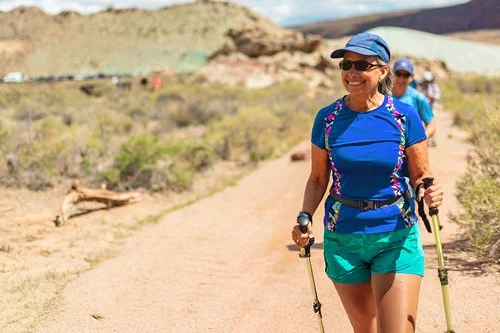
Stay physically active. Regular movement supports mobility, balance, and cardiovascular health. Aim for about 150 minutes of moderate activity each week through manageable routines such as walking, gardening, swimming, or low‑impact exercise classes. (1)
Focus on balanced nutrition. A balanced diet of fruits, vegetables, whole grains, lean proteins, and healthy fats supports energy and overall wellbeing, while regular meals help reinforce consistent habits. (2)
Keep the mind engaged. Mental wellness is a key component of healthy aging. Activities like reading, puzzles, games, volunteering, or learning new skills help keep the brain active and may support cognitive function over time. (3)
Schedule preventive care. Routine check‑ups and preventive screenings help identify potential health concerns early, when many conditions are easier to manage or treat. (4)
Maintain social connections. Strong social connections support emotional and cognitive health. Staying engaged with family, friends, and the community can help reduce the health risks linked to loneliness and social isolation. (5)
Healthy aging is about more than fitness alone
Staying active and engaged supports not only physical health, but also confidence and independence throughout retirement. By focusing on everyday habits that promote movement, mental wellness, preventive care, and connection, older adults can continue to lead full and active lives well into their later years.
Sources
How much physical activity do older adults need? Centers for Disease Control and Prevention, April 13, 2023 https://www.cdc.gov/physicalactivity/basics/older_adults/index.htm
Nutrition for Older Adults: Why Eating Well Matters as You Age, Cleveland Clinic, July 6, 2023 https://health.clevelandclinic.org/how-to-age-better-by-eating-more-healthfully
Cognitive Health and Older Adults, National Institute on Aging, October 1, 2020 https://www.nia.nih.gov/health/brain-health/cognitive-health-and-older-adults
Stephanie Watson, Benefits of Annual Checkups in Your 50s and Older, WebMD, September 10, 2022 https://www.webmd.com/healthy-aging/annual-checkups-seniors-importance
A surprising key to healthy aging: Strong social connections, Mayo Clinic, March 15, 2024 https://mcpress.mayoclinic.org/healthy-aging/a-surprising-key-to-healthy-aging-strong-social-connections/
